
Clichés: Innocent Until Proven Guilty
Once upon a time, on a dark and stormy night, a young writer was burning the midnight oil. But before her ink had even begun to dry, she was promptly set straight and told to avoid clichés like the plague. Determined to turn over a new leaf, she jumped on the bandwagon and nipped her cliché habit in the bud, finally realizing that clichés are a writer’s kryptonite!
But wait—are clichés really all that bad?
Sure, the phrase “once upon a time” may be an overused way to start a story, but it can also add a clever spin and a reference to a classic clause universally recognized as the opening of a great adventure. So, once upon a time, let us embark on our great adventure by examining the history of clichés… before deciding whether they deserve to be banished for good.
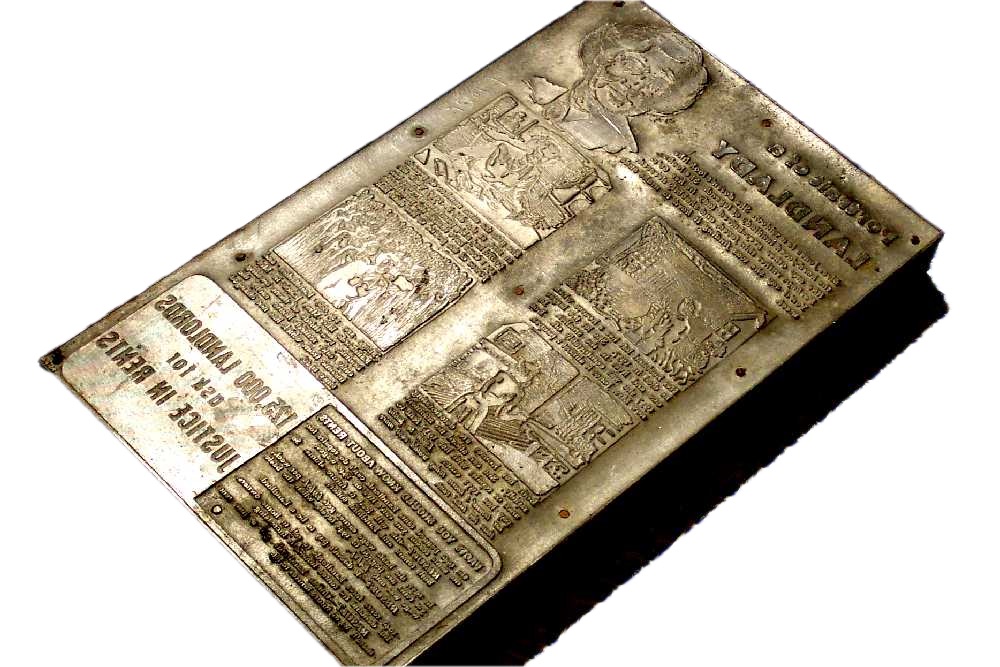
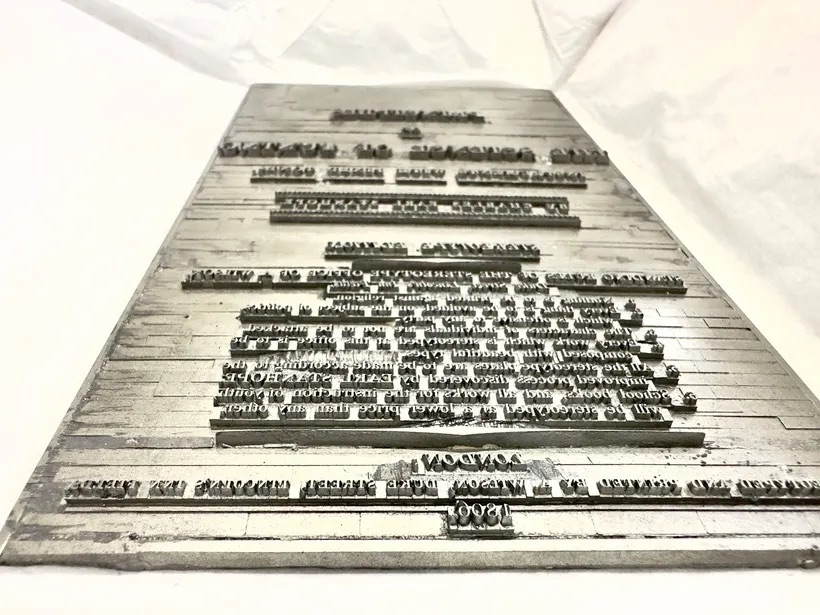
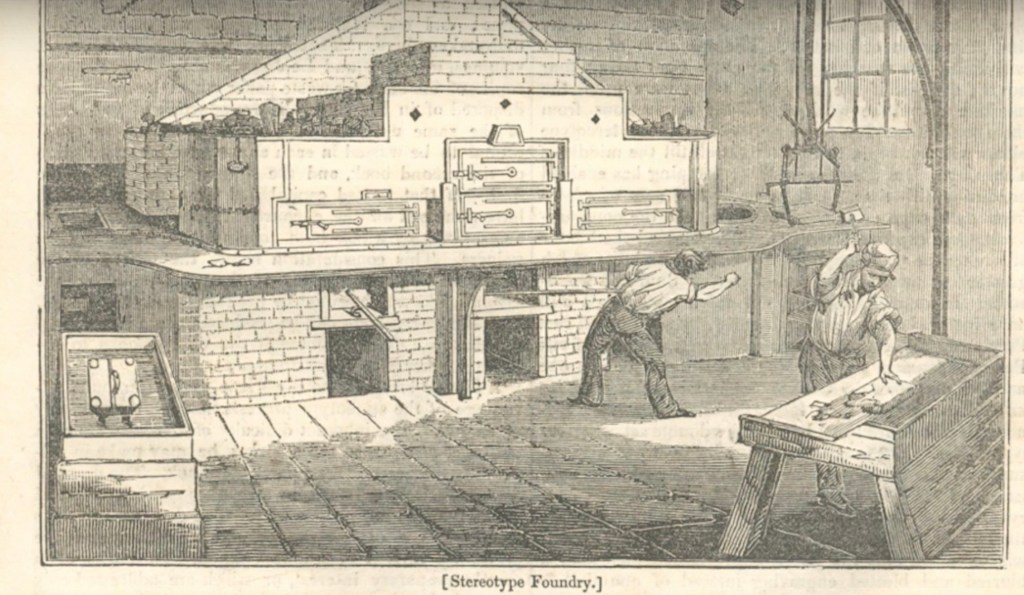
Yet before we can learn about the cliché, we first must learn about the stereotype plate. And no, I’m not serving you society’s prejudices on a silver platter. Rather, I’m talking about the 18th century printing plate, cast from a papier-mache mold and used to make copies of newspapers and other text. The metal plate “clicked” when struck by the mold, and the term “cliché” was coined from the French “clicher,” which means “to click.” The word’s meaning began to shift into the modern definition in the late 1800s. While stereotyping plates clicked to print copies of the same text over and over, clichés started to become words used over and over.
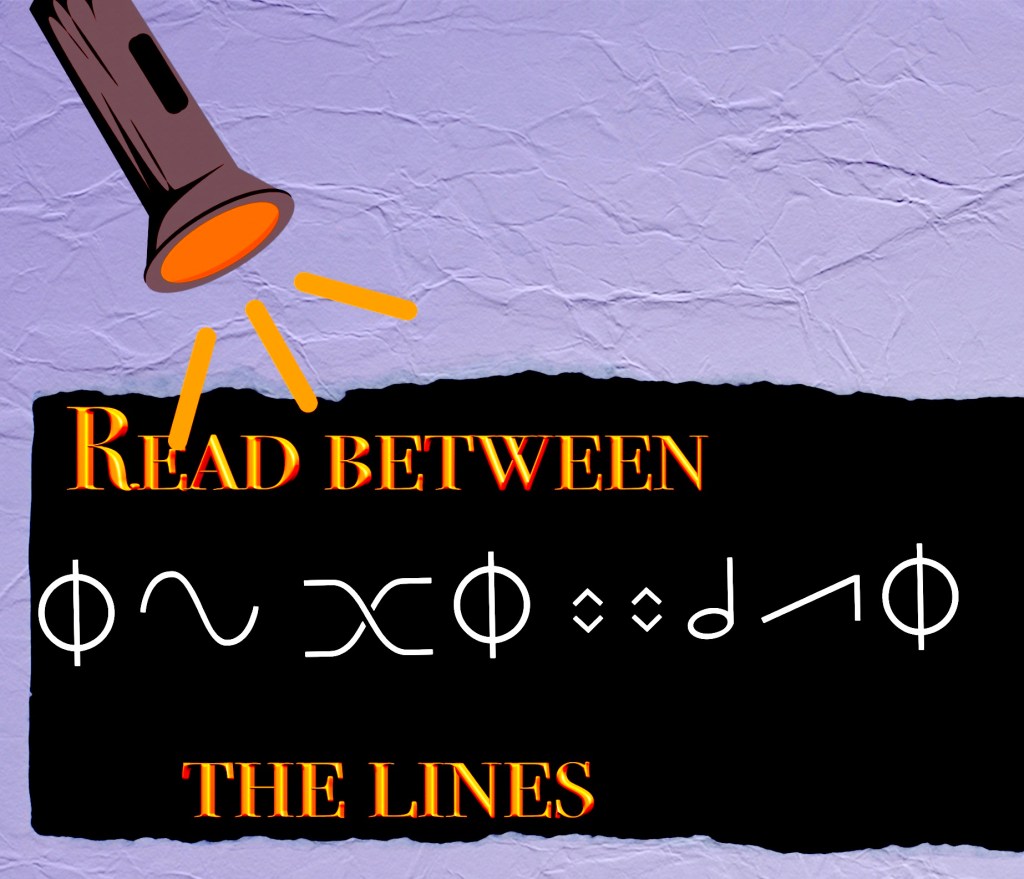
The official definition of a cliché, according to Merriam Webster, is “a trite phrase or expression.” And indeed, that’s how we tend to view them today: not as a noise made by a metal plate, but stale. Unoriginal. Useless. Yet before they made modern eyes roll, each cliché was probably considered brilliant when first coined. In fact, many common clichés were actually derived from a literal meaning: take the phrases “read between the lines” and “in a nutshell.” “Read between the lines” actually originates from a technique of literally writing hidden messages, either in a secret code or invisible ink, in between the lines of a message. And the phrase “in a nutshell” was used by Roman writer and philosopher Pliny the Elder to describe a copy of Homer’s Iliad written so tiny it could literally fit in a nutshell. So the next time you want to quickly summarize a situation for your friends, just print it out in size 1 font and stick it in between two halves of a walnut shell. Or, if you really had a lot to say, just use the coco de mer: a giant nut that can reach about a foot long.

But in all seriousness, how does a cliché stand the test of time? The irony? Only the most resonant phrases become clichés. According to NPR, “there’s a reason a cliché has become a cliché. Language is constantly renewing itself. If these truths can stick with us, they’re there for a reason.” We are inclined towards clichés because they are relatable: universal metaphors that resonate with everyone. After all, something can’t be overused until it’s used, and something’s only used because people like it. This begs the question: is the stigma surrounding clichés just?
Because, let’s face it, one thing that has been hammered into our brains is not to use clichés. Ever. A quick Google search tells you everything: clichés are unoriginal, lazy, bland, repetitive, boring, overused, uncreative, contemptible, unimaginative, useless. Yet maybe they’re not exactly the bane of a writer’s existence. See what I did there? With a cliché, I instantly signaled that clichés aren’t necessarily our most dreaded enemy – but with a phrase that was easily recognizable and quickly drew your attention. Clichés are easy to use – and descriptive as well. Phrases like “diamond in the rough” or “elephant in the room” are actually vibrant metaphors. It’s just that we’ve heard them so often that we’ve never thought about what they really mean. Fast Company notes that “Imagery–even clichéd imagery–can be handy for imparting both meaning and feeling, since it taps into sensory experiences.” Clichés are just metaphors that are a cut above the crowd. The creme of the crop. See? I can’t help but use them to explain things in a simple way, and you can’t help but instantly understand what I mean.
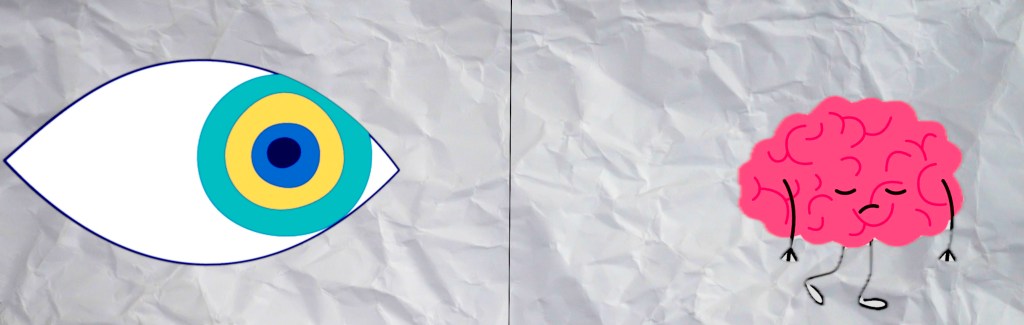
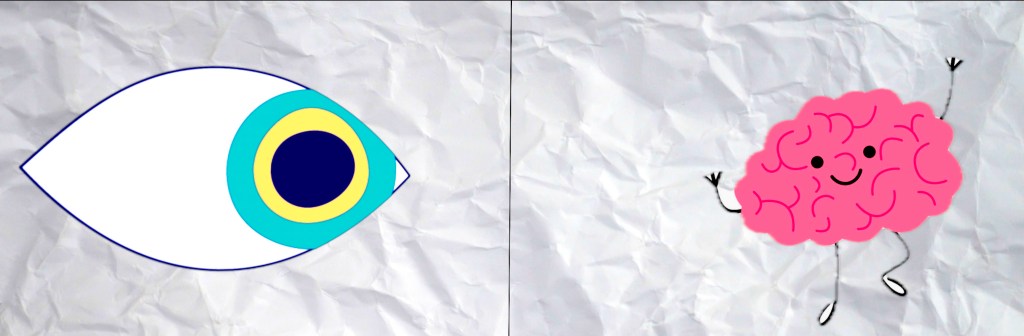
Yet why are we able to recognize clichés so quickly, and perhaps even prefer them to new phrases? The answer is simple: we crave familiarity. Our brains are wired to recognize and appreciate patterns, and we like to be able to predict them. This is proven even more so from a scientific standpoint. Researchers at Princeton University, led by Professor of Psychology Adele Goldberg, found that people were more excited when reading clichés – recognizing patterns – in a sentence. They created a database with 180 phrases, 60 of which were clichés, such as “grasping a new idea”, 60 of which were the literal equivalent, such as “learning a new idea”, and 60 of which were concrete phrases, such as “grasping a doorknob”. By tracking split-second pupil dilation, the researchers were able to determine which phrases excited participants the most, as pupil dilation is a measurable metric for cognitive and emotional engagement. They ultimately discovered that “our brains consistently pay more attention to conventional metaphors than similar alternatives.” When participants reached the cliché in the sentence, “the[ir] pupils remained dilated for a couple of seconds, suggesting a significant level of increased engagement.” The researchers then recommended that teachers and parents use clichés more often to better communicate with children. They plan to continue their work by testing how neurodivergent and autistic children respond to clichés, and investigate how it could help the neurodiverse population learn language faster, which could be a breakthrough in functional communication training.
So yes, it’s true. Our brains inherently prefer clichés, and in fact, they can help us navigate tough times and even improve our mental health. According to Psychology Today, “there are serious times of contemplation and realization where a cliché … makes perfect sense. Clichés simplify things. They make a complicated situation feel more manageable. They make sense.” Positivity slogans such as “love yourself” or “you can do it!” are used so often because they work. In just a few words, they simplify emotions to help encompass difficult concepts. Psychology Today continues by saying “the original meaning of these phrases, the messages of hope, optimism, and the power of faith, still apply. These themes can create positive feelings to remember on dark days when you’re at your lowest. The reason these sound like clichés is that they are all so simply and undeniably true.” Clichés make us feel better because they anchor us. They’re comfortingly familiar, common phrases that can easily be applied to a tough situation.
And beyond the researchers and psychologists, a new force is emerging to propel the revival of clichés: AI. Specifically, ChatGPT. It’s a growing problem for schools as students begin to turn in work that may not be theirs. Yet it turns out that the AI is a sucker for clichés. According to the Atlantic, ChatGPT could not help but litter its writing with them, and “equivocated about whether something was definitely a cliché or not.” I tried this out with a few of the most common clichés and, well, I’ll let the results speak for themselves. Here are two examples that particularly stood out to me. I asked ChatGPT to “write a sentence starting with ‘don’t judge a book’ that is not a cliché.” Its response? Don’t judge a book solely by its cover. My next prompt: “write a sentence starting with ‘the apple doesn’t fall’ that avoids cliché.” Here’s what it gave me: “the apple doesn’t fall from the tree.” I guess after all these years, modern technology has finally proved that Newton was wrong. But in all seriousness, the Atlantic notes that ChatGPT only prefers clichés because they so commonly pop up in the input: clichés appear over and over. There’s no originality because ChatGPT is trained to regurgitate what we’ve written. And what have we written? Cliché after cliché.
Yet this might not be such a bad thing. By using the patterns of the past, ChatGPT can show us the patterns of the future. After all, patterns are the foundation for an AI algorithm’s development. ChatGPT could in fact reveal the value of clichés once more. But until it can innovate new ways to use them, we’ll be stuck groaning at its repetitive writing. Turns out, there still needs to be a bit of creativity to get the ball rolling. And even though old habits die hard – the criticism of clichés may be a cliché in and of itself –it’s better late than never to reexamine the silver lining of clichés. But will the jury grant a favorable verdict on the cliché case?
Only time will tell.

 Youth Journalism Alliance
Leave a comment